In 2026, artificial intelligence is no longer just a “buzzword” for tech giants; it is the backbone of successful small businesses across the United States. Whether you are a solo entrepreneur or managing a small team, the right AI tools can act as your “extra pair of hands,” helping you scale without exploding your overhead costs.
The landscape of business has shifted from “manual labor” to “intelligent automation.” If you’re not leveraging AI yet, you’re leaving money on the table.
Using this tool? Got questions?
Ask me anything on Telegram - free honest answers before you spend your money.
Here are the top 10 AI tools that every small business owner should be using in 2026 to stay ahead of the competition.
AI tools that every small business owner should be using
1. ChatGPT-6 (and Specialized Agents)
By 2026, ChatGPT has evolved beyond a simple chatbot. For small business owners, the “Custom GPT Agents” are game-changers. You can now build a custom agent specifically trained on your business data, brand voice, and customer history.
- Best for: Content creation, brainstorming, and internal knowledge management.
- Why in 2026: It now features real-time multimodal capabilities (voice, vision, and text) that can handle complex multi-step business tasks.
2. Jasper: The Brand-Centric Marketing Co-Pilot
While generic AI exists, Jasper remains the king for marketing teams in the USA. It ensures that every blog post, email, and social media ad sounds exactly like your brand.
- Best for: High-converting ad copy and SEO-optimized blog posts.
- Benefit: Its new “Campaign Architect” feature allows you to generate a month’s worth of marketing assets in under 10 minutes.
3. Intercom Fin: The 24/7 AI Customer Support
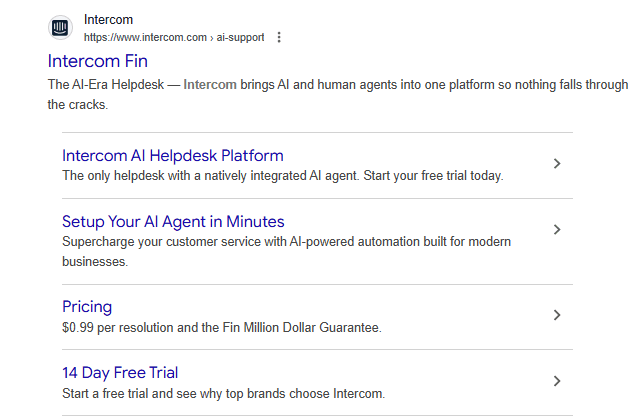
Customer service can be a huge drain on small business resources. Fin (by Intercom) uses advanced AI to answer complex customer queries with human-like accuracy.
- Best for: E-commerce and service-based startups.
- Impact: It reduces support tickets by up to 80%, allowing you to focus on high-level strategy rather than answering FAQs.
4. Zapier Central: The Automation Brain
Zapier has moved beyond simple “if-this-then-that” logic. In 2026, Zapier Central allows you to teach AI agents how to interact across 6,000+ apps.
- Best for: Operations and workflow automation.
- Use Case: Automatically draft an invoice when a project is marked “Done” in Trello and send a follow-up thank-you email.
5. HeyGen: Personalize Video Marketing at Scale
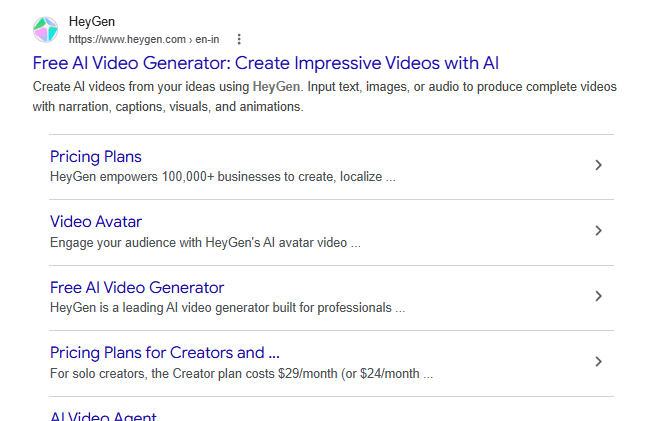
Video is the most consumed content type in the USA. HeyGen allows small businesses to create professional-grade videos using AI avatars that look and sound just like real people.
- Best for: Personalized sales outreach and social media marketing.
- Pro Tip: Use it to send personalized “Thank You” videos to every new customer—automatically.
6. QuickBooks AI (Intuit Assist)

Managing finances is the biggest headache for small business owners. QuickBooks’ integrated AI, Intuit Assist, now provides predictive financial forecasting.
- Best for: Bookkeeping and financial planning.
- 2026 Update: It can now predict cash flow shortages 3 months in advance and suggest budget reallocations.
7. Midjourney & Canva Magic Studio
Visuals drive sales. The combination of Midjourney (for high-end art) and Canva’s AI tools makes graphic design accessible to everyone.
- Best for: Social media graphics, website banners, and branding.
- Feature: The “Magic Switch” allows you to turn one YouTube video thumbnail into a set of Instagram stories and LinkedIn banners instantly.
8. Motion (UseMotion): The AI Office Manager
Time management is often the difference between growth and burnout. Motion uses AI to automatically build your calendar based on your priorities and deadlines.
- Best for: Solo entrepreneurs and small team leads.
- Benefit: If a meeting runs over, Motion automatically reshuffles the rest of your day to ensure your top priorities still get done.
9. Gong for Small Business: AI Sales Intelligence
Knowing what to say to a lead is crucial. Gong uses AI to analyze your sales calls and tell you exactly what’s working and what isn’t.
- Best for: B2B startups and service-based businesses.
- Value: It identifies the “buying signals” you might have missed during a conversation.
10. Perplexity AI: The Research Powerhouse
Move over, Google. For deep market research, Perplexity AI provides cited, real-time answers. It’s perfect for checking competitor trends or finding the best suppliers in the USA.
- Best for: Competitive analysis and market research.
How to Choose the Right Tool?
Don’t try to implement all ten at once. Start with your biggest “bottleneck.”
- Is marketing taking too long? Start with Jasper.
- Are you drowning in emails? Try Intercom Fin.
- Is your schedule a mess? Get Motion.
The Bottom Line
The goal of AI in 2026 isn’t to replace you it’s to free you from the mundane so you can do the “human” work: building relationships, innovating products, and growing your vision. For small business owners in the USA, these tools are the competitive edge needed to thrive in a digital-first economy.
FAQ Section
Are these AI tools expensive for small businesses?
Most of these tools offer “freemium” models or “starter” tiers specifically designed for small businesses, typically ranging from $15 to $50 per month.
Will AI replace my employees?
No. In 2026, AI is a “force multiplier.” It allows a team of 3 to perform like a team of 10.
Is my data safe with these AI tools?
Most enterprise-level tools like ChatGPT Enterprise and QuickBooks AI now offer robust data protection and are compliant with US privacy laws like CCPA.